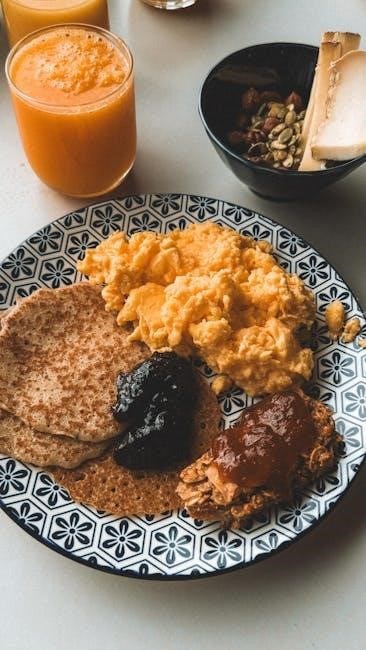
Embark on a transformative journey with our meticulously crafted 1-month ketogenic menu! This plan, inspired by resources detailing keto Mediterranean diets and sample meal plans,
offers a structured approach to achieving your wellness goals․ It’s designed to provide comprehensive support, including recipes and community engagement, for a successful keto experience․
What is the Ketogenic Diet?
The ketogenic diet is a high-fat, very low-carbohydrate, and moderate-protein eating plan designed to shift the body’s primary fuel source from glucose (from carbs) to ketones (from fat)․ This metabolic state, known as ketosis, occurs when carbohydrate intake is drastically reduced, typically to around 20-50 grams per day․
Essentially, by limiting carbs, the body is forced to break down stored fat into ketones, which are then used for energy․ Resources highlight the diet’s potential benefits, often seen in meal plans focusing on protein-based meals and utilizing tools like apple cider vinegar․ This approach differs significantly from traditional diets and requires careful planning, as seen in comprehensive keto guides offering weekly structures․
The goal isn’t simply weight loss, but a fundamental change in how the body fuels itself․ Understanding this metabolic shift is crucial for success, and resources like detailed PDF menus can provide the necessary guidance․
Benefits of a Keto Diet
The ketogenic diet offers a range of potential health benefits beyond weight management․ Many individuals experience improved blood sugar control, making it a potentially valuable tool for those managing type 2 diabetes․ Furthermore, the diet can contribute to increased energy levels and mental clarity, as the brain efficiently utilizes ketones for fuel․

Resources suggest keto can aid in preserving muscle and fat mass, particularly when combined with adequate protein intake – a key component of structured meal plans․ The diet’s impact on functional status is also noted, potentially improving overall well-being․ Detailed guides, like those offering a 1-month keto menu, emphasize the importance of proper implementation to maximize these benefits․
However, it’s crucial to remember that individual results may vary, and consulting a healthcare professional is always recommended before starting any new dietary regimen․
Why a 1-Month Plan?
A one-month ketogenic plan provides a focused and manageable timeframe to experience the diet’s potential benefits․ It’s long enough to allow your body to adapt to utilizing fat for fuel – a process known as ketosis – and observe noticeable changes in energy levels and weight․ This duration facilitates the establishment of sustainable habits, unlike overly restrictive or short-term approaches․
Many resources, including detailed keto meal plans, advocate for a structured start․ A month allows for consistent tracking of ketone levels and body composition, enabling personalized adjustments to optimize results․ It’s a practical period to experiment with keto-friendly recipes and identify preferred meal options, fostering long-term adherence․
Furthermore, a defined timeframe minimizes overwhelm and promotes accountability, increasing the likelihood of success․

Understanding Keto Macronutrients
Mastering macronutrient ratios – fats, proteins, and carbohydrates – is crucial for keto success․ This involves carefully balancing intake to induce and maintain ketosis, optimizing metabolic function․
The Role of Fats
Fats are the cornerstone of the ketogenic diet, serving as the primary energy source when carbohydrate intake is drastically reduced․ Unlike glucose derived from carbs, fats are broken down into ketones by the liver, fueling the body and brain․ Aim for approximately 70-80% of your daily calories to come from healthy fat sources․
Excellent choices include avocados, olive oil, coconut oil, nuts and seeds (macadamia, almonds, chia), and fatty fish like salmon and mackerel․ These fats not only provide sustained energy but also support hormone production and nutrient absorption․ Prioritize unsaturated fats over excessive saturated fats, though some saturated fat is permissible․
Don’t fear fat – it’s your friend on keto! It promotes satiety, reducing cravings and overeating․ Understanding the quality and quantity of fats is vital for maximizing the benefits of this dietary approach and achieving optimal results․
Protein Intake on Keto
Protein plays a crucial, yet moderate, role in a ketogenic diet․ While fat is the primary fuel source, adequate protein is essential for preserving muscle mass, supporting bodily functions, and promoting satiety․ However, excessive protein can be converted into glucose through a process called gluconeogenesis, potentially hindering ketosis․
Generally, aim for around 20-25% of your daily calories from protein․ This translates to roughly 0․8 to 1․2 grams of protein per pound of lean body mass․ Excellent protein sources include meat, poultry, fish, eggs, and limited amounts of certain cheeses․
Prioritize quality protein sources and distribute your intake throughout the day․ Careful monitoring of protein levels is key to maintaining ketosis and optimizing results․ Remember, it’s a balancing act – enough to support your body, but not so much as to disrupt the metabolic state․
Carbohydrate Restriction
The cornerstone of the ketogenic diet is strict carbohydrate restriction․ To induce ketosis – the metabolic state where your body burns fat for fuel – carbohydrate intake must be significantly reduced․ Typically, this means limiting carbs to 20-50 grams of net carbohydrates per day․ Net carbs are calculated by subtracting fiber from total carbohydrates․
Focus on eliminating or drastically reducing high-carb foods like grains, sugars, starchy vegetables (potatoes, corn), and most fruits․ Instead, prioritize non-starchy vegetables such as leafy greens, broccoli, and cauliflower․
Carefully read food labels and track your carb intake diligently․ Hidden carbs can be found in unexpected places, like sauces and processed foods․ Consistent carbohydrate restriction is vital for maintaining ketosis and experiencing the benefits of the keto diet․ It’s a commitment to reshaping your energy source!

Preparing for Your Keto Month
Successful keto implementation requires preparation! Stock your kitchen with keto-friendly staples, plan your meals, and understand how to track progress for optimal results and sustained success․
Grocery Shopping List
Building a keto-friendly pantry starts with a strategic grocery trip! Prioritize high-fat sources like avocados, olive oil, and coconut oil․ Stock up on quality proteins – think fatty fish (salmon, mackerel), beef, poultry, and eggs․ Non-starchy vegetables are crucial: spinach, kale, broccoli, cauliflower, and zucchini should fill your produce section․
Don’t forget dairy options like heavy cream, cheese (cheddar, mozzarella, cream cheese), and unsweetened Greek yogurt (in moderation)․ For snacks, consider nuts and seeds (almonds, walnuts, chia seeds, flax seeds)․
Essential additions include Himalayan pink salt, apple cider vinegar (mentioned in sample plans), and any preferred keto-friendly sweeteners (erythritol, stevia)․ Remember to check labels carefully to avoid hidden carbs and sugars․ A well-stocked list ensures adherence and simplifies meal preparation throughout your keto month!
Pantry Staples for Keto
A well-equipped keto pantry is your foundation for success! Beyond fresh groceries, certain staples ensure convenient meal creation․ Keep ample supplies of healthy fats: coconut oil, olive oil, avocado oil, and MCT oil are essential․ Protein powders (whey isolate, collagen) offer quick boosts․
Stock up on low-carb flours like almond flour and coconut flour for baking․ Nuts and seeds (chia, flax, almonds, walnuts) provide healthy fats and fiber․ Spices and herbs are vital for flavor – don’t skimp!
Consider canned tuna or salmon for quick protein options․ Himalayan pink salt and apple cider vinegar (featured in some plans) are must-haves․ Keto-friendly sweeteners like erythritol or stevia are useful for occasional treats․ Having these staples readily available minimizes impulse decisions and supports consistent keto adherence․
Meal Prep Strategies
Successful keto hinges on preparation! Dedicate a few hours each week to streamline your meals․ Batch cooking is key – roast a large chicken or prepare several portions of ground meat․ Chop vegetables in advance and store them in airtight containers․ Pre-portion snacks like nuts or cheese sticks for grab-and-go convenience․
Utilize freezer-friendly meals․ Soups, stews, and casseroles freeze exceptionally well․ Prepare breakfast components ahead of time – keto egg muffins or overnight chia seed pudding save valuable morning time․
Invest in quality containers for easy storage and transport․ A well-planned grocery list, aligned with your meal prep, prevents last-minute shopping trips․ Consistent meal prepping minimizes temptations and ensures you stay on track with your 1-month keto journey․

Sample 1-Month Keto Meal Plan (Week 1)
Kickstart your keto transformation! Week 1 focuses on protein-rich meals, incorporating black coffee and apple cider vinegar, as seen in sample keto plans, for optimal results․
Week 1: Breakfast Options
Begin your ketogenic journey with these delicious and satisfying breakfast choices! To align with the principles found in comprehensive keto guides and sample meal plans, focus on high-fat, moderate-protein, and very-low-carbohydrate options․ Consider starting your day with a simple cup of black coffee – a staple in many keto routines – potentially enhanced with a tablespoon of heavy cream for added fat․
Alternatively, explore scrambled eggs cooked in butter with spinach and cheese․ A keto-friendly smoothie, blending avocado, protein powder, unsweetened almond milk, and a handful of berries, provides a quick and nutritious boost․ For a more substantial meal, try a cheese and bacon omelet․ Remember to prioritize whole, unprocessed foods and carefully track your macronutrient intake to ensure you remain within your keto parameters․ These options, mirroring those found in detailed keto resources, will set a strong foundation for a successful week one;
Week 1: Lunch Ideas
Fuel your afternoons with these keto-compliant lunch options, designed to keep you energized and on track! Drawing inspiration from keto meal plans and dietary guides, prioritize meals rich in healthy fats and moderate protein․ A large salad with grilled chicken or salmon, avocado, olive oil, and a vinegar-based dressing is an excellent choice․ Consider a tuna salad (made with mayonnaise) served in lettuce wraps instead of bread․
Another satisfying option is a cauliflower rice bowl topped with ground beef, cheese, and salsa․ Leftovers from dinner also make fantastic lunches! Remember to avoid hidden carbohydrates in dressings and sauces․ Focus on whole, unprocessed ingredients, mirroring the principles of a keto Mediterranean diet․ These lunch ideas, consistent with detailed keto resources, will help you maintain ketosis and support your weight management goals throughout week one․
Week 1: Dinner Recipes
Kickstart your keto journey with these delicious and satisfying dinner recipes, carefully selected to align with a 1-month ketogenic plan! Inspired by keto meal plans and dietary guides, focus on protein-centric dishes with ample healthy fats․ Try a baked salmon with roasted asparagus and a lemon-butter sauce – a simple yet elegant option․ Ground beef and broccoli stir-fry, seasoned with soy sauce (use a low-sodium variety) and ginger, is another quick and easy choice․
For a heartier meal, consider chicken thighs roasted with Brussels sprouts and bacon․ Remember to track your macronutrient intake to ensure you stay within your keto limits․ These recipes, mirroring the principles of a keto Mediterranean diet, provide a flavorful and effective way to enjoy dinner while adhering to your dietary goals throughout week one․

Sample 1-Month Keto Meal Plan (Week 2-4)
Continue your keto success by rotating meals for variety and adjusting calories based on activity levels! Utilize snack options and resources from keto diet plans․
Rotating Meals for Variety
Maintaining long-term adherence to the ketogenic diet hinges on preventing meal fatigue․ Simply repeating the same recipes week after week can quickly lead to boredom and derail your progress․ Therefore, a crucial element of a successful 1-month keto plan – and beyond – is strategic meal rotation․
Leverage the wealth of keto-friendly recipes available, drawing inspiration from resources offering comprehensive meal plans and recipe collections․ Instead of rigidly sticking to a set menu, select a pool of breakfast, lunch, and dinner options․ Each week, shuffle these choices, introducing new flavors and textures․
Consider themed weeks – perhaps “Mediterranean Keto” one week, focusing on olive oil, fish, and vegetables, followed by an “Asian-Inspired Keto” week with cauliflower rice and protein-rich stir-fries․ This approach not only keeps your palate engaged but also ensures a broader intake of nutrients․ Don’t be afraid to experiment with different spices and herbs to elevate your dishes!
Adjusting Calories Based on Activity
A static caloric intake on keto isn’t optimal; your energy needs fluctuate with your activity level․ While the ketogenic diet inherently promotes fat burning, increased physical exertion demands adjustments to fuel your body effectively and support recovery․ Ignoring this can hinder progress or even lead to plateaus․
On days with intense workouts or higher activity, slightly increase your fat intake – adding a tablespoon of coconut oil to your coffee or incorporating avocado into your meals․ This provides the extra energy required without significantly impacting ketosis․ Conversely, on rest days or low-activity days, moderately reduce your caloric intake, primarily from fats․
Careful monitoring of ketone levels and body composition (as outlined elsewhere in this plan) will help you fine-tune these adjustments․ Remember, the goal is to find a sustainable balance where you feel energized, maintain ketosis, and continue progressing towards your health objectives․ Listen to your body’s signals!
Snack Options for Keto
Navigating cravings and maintaining consistent energy levels on keto often requires strategic snacking․ However, not all snacks are created equal! The key is to choose options that are low in carbohydrates and high in healthy fats and/or protein to avoid disrupting ketosis․
Excellent keto-friendly snack choices include a handful of macadamia nuts, a small portion of cheese (cheddar, mozzarella, or brie), or celery sticks with cream cheese․ Hard-boiled eggs are a protein powerhouse, and avocado slices sprinkled with sea salt offer healthy fats․ For a sweeter craving, consider a few squares of dark chocolate (85% cacao or higher)․
Pre-portioning snacks is crucial to prevent overeating․ Remember to factor snack calories into your daily macronutrient targets․ Utilizing resources detailing keto meal plans can provide inspiration and ensure your snacks align with your overall dietary goals․ Prioritize whole, unprocessed foods whenever possible!

Keto-Friendly Recipes
Discover a delightful array of keto recipes! From breakfast staples to satisfying dinners and even decadent desserts, these options support your 1-month keto journey, inspired by available meal plans․
Keto Breakfast Recipes
Start your day right with these delicious and satisfying keto breakfast recipes! Fueling your body with the right nutrients first thing is crucial for sustained energy and adherence to the diet․ Consider beginning with a simple black coffee, a staple mentioned in various keto meal plans, to kickstart your metabolism․
Explore options like scrambled eggs with cheese and spinach – a protein-packed and flavorful choice․ Alternatively, a keto-friendly smoothie made with unsweetened almond milk, protein powder, and berries (in moderation) offers a quick and convenient solution․ For a more substantial breakfast, try a sausage and egg muffin, ensuring the sausage is sugar-free․
Don’t forget about the importance of healthy fats! Adding avocado to your eggs or incorporating coconut oil into your cooking can help you reach your macronutrient goals․ These recipes, inspired by comprehensive keto guides, will set you up for success throughout the day, supporting your 1-month keto journey․

Keto Lunch & Dinner Recipes
Elevate your midday and evening meals with these flavorful and satisfying keto recipes! Building upon the foundation of protein-based meals often found in keto plans, these options prioritize healthy fats and minimal carbohydrates․ For lunch, consider a large salad with grilled chicken or salmon, dressed with olive oil and vinegar․ A tuna salad (made with mayonnaise) served in lettuce wraps is another quick and easy choice․
Dinner possibilities are endless! Explore recipes featuring steak with roasted vegetables (broccoli, cauliflower, or asparagus are excellent choices), or a creamy chicken and mushroom skillet․ Ground beef and cauliflower rice bowls, seasoned with your favorite spices, provide a comforting and filling meal․
Remember to focus on whole, unprocessed foods and to monitor your portion sizes․ These recipes, drawing inspiration from detailed keto meal plans, will help you stay on track and enjoy your 1-month keto experience․
Keto Dessert Options
Satisfy your sweet tooth without compromising your ketogenic goals! While traditional desserts are often high in carbohydrates, there are plenty of delicious keto-friendly alternatives․ Embrace the power of sugar substitutes like erythritol or stevia to create guilt-free treats․
Consider a rich chocolate avocado mousse – the avocado provides healthy fats and a creamy texture․ Keto cheesecake, made with almond flour and a sugar-free sweetener, is another decadent option․ For a simpler treat, try berries (in moderation) with whipped cream sweetened with a keto-approved sweetener․
Explore recipes for keto cookies or brownies, utilizing almond flour and coconut flour as substitutes for wheat flour․ Remember to carefully check ingredient labels and portion sizes to stay within your daily carb limits․ These desserts, inspired by comprehensive keto resources, will keep you motivated and satisfied throughout your 1-month journey!

Tracking Your Progress
Monitor your success with ketone level checks and body composition measurements! Regularly assess your progress, adjusting the plan as needed, to optimize results and stay motivated․
Monitoring Ketone Levels
Understanding your ketone levels is crucial for confirming you’re in ketosis and optimizing your ketogenic diet․ Several methods exist for monitoring ketones, each with its own advantages and disadvantages․ Blood ketone meters provide the most accurate readings, measuring beta-hydroxybutyrate (BHB) directly in your bloodstream․ Urine ketone strips are a more affordable option, but can be less precise and influenced by hydration levels․
Breath ketone analyzers offer a non-invasive alternative, measuring acetone levels in your breath․ Target ketone levels generally fall between 0․5 and 3․0 mmol/L for nutritional ketosis․ Consistent monitoring allows you to identify how different foods and activities impact your ketone production․ If levels are consistently low, re-evaluate your macronutrient intake, particularly carbohydrate restriction․ Conversely, excessively high levels may indicate the need to increase activity or adjust protein consumption․ Regular tracking empowers you to personalize your keto journey for optimal results․
Measuring Body Composition
Beyond ketone levels, tracking changes in body composition provides valuable insights into your keto progress․ While the scale can be useful, it doesn’t differentiate between fat loss and muscle retention․ More comprehensive methods include body fat percentage measurements, utilizing skinfold calipers, bioelectrical impedance analysis (BIA) scales, or DEXA scans – a full-body scan mentioned in GE Healthcare documentation․

DEXA scans are considered the gold standard for accuracy, assessing bone density alongside fat and lean mass․ BIA scales are convenient but can be affected by hydration․ Regularly measuring waist circumference is a simple, effective indicator of abdominal fat reduction․ Focus on improvements in body composition – increased lean mass and decreased body fat – rather than solely on weight loss․ Combining these measurements with ketone monitoring offers a holistic view of your metabolic transformation, ensuring you’re achieving sustainable and healthy results on your ketogenic journey․
Adjusting the Plan as Needed
The 1-month keto menu serves as a foundation, but personalization is key for sustained success․ Monitor your progress closely, noting how your body responds to the dietary changes․ If weight loss plateaus, reassess your macronutrient ratios – slightly reducing protein or increasing healthy fats may be beneficial․ Activity levels significantly impact caloric needs; increase intake on active days and potentially reduce it during rest․
Pay attention to hunger cues and adjust portion sizes accordingly․ Some individuals may tolerate slightly higher carbohydrate intakes than others; experiment cautiously․ Remember the importance of electrolytes, especially during the initial adaptation phase․ If experiencing fatigue or “keto flu” symptoms, increase sodium, potassium, and magnesium intake․ Regularly reviewing your ketone levels and body composition (as discussed previously) will guide necessary adjustments, ensuring the plan remains effective and aligned with your individual needs and goals․