Solar and Lunar Eclipse Worksheet PDF Overview
This PDF worksheet offers a comprehensive practice test on solar and lunar eclipses featuring 24 multiple‑choice questions, 6 short‑answer prompts, diagram interpretation tasks that cover eclipse causes, sequences, key concepts for UPSR science students․ It offers aactivityand dataanalysisfor more insight․
learn!!!!!
Definition of Solar Eclipse
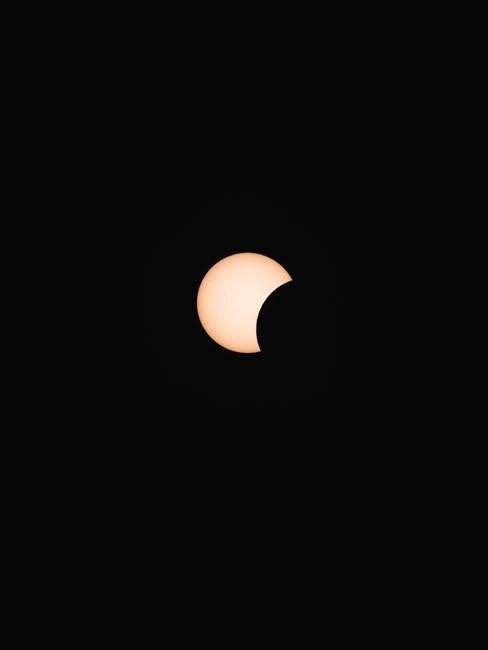
A solar eclipse occurs when the Moon passes directly between the Earth and the Sun, casting a shadow on Earth blocking Sun’s light from reaching the surface․ The alignment of the three bodies—Sun, Moon, and Earth—must be nearly perfect, with the Moon’s orbital plane intersecting the Earth‑Sun line․ When the alignment is exact, the Moon’s umbra (the darkest part of its shadow) touches the Earth, producing a total solar eclipse visible along a narrow path․ If the alignment is slightly off, the Moon’s penumbra (the lighter outer shadow) sweeps across Earth, creating a partial eclipse where only a portion of the Sun is obscured․ The phenomenon is governed by the Moon’s orbital inclination of about 5 degrees relative to the ecliptic, which means eclipses can only happen during the two eclipse seasons each year when the Sun is near one of the Moon’s nodes․ Solar eclipses are categorized by the extent of the Sun’s coverage: total, annular (when the Moon is farther from Earth appears smaller, leaving a bright ring), hybrid (transitioning between total and annular), and partial․ The duration of totality can last from a few seconds to over seven minutes, depending on the distances and relative velocities involved․ Observers within the path of totality experience a dramatic change in light, temperature, and even animal behavior, while those outside see a milder dimming․ Because the Sun’s corona becomes visible only during totality, solar eclipses provide a unique opportunity for scientific study of Sun’s outer atmosphere․ Safety precautions are essential; viewing a solar eclipse without proper eye protection can cause permanent retinal damage․ Thus, educational worksheets often emphasize the importance of using certified eclipse glasses or indirect viewing methods to safely observe the event; Students can use this worksheet to practice identifying eclipse types, predicting visibility, and analyzing eclipse paths, thereby deepening their grasp of celestial mechanics․ It encourages critical thinking about orbital dynamics and safety now
Definition of Lunar Eclipse
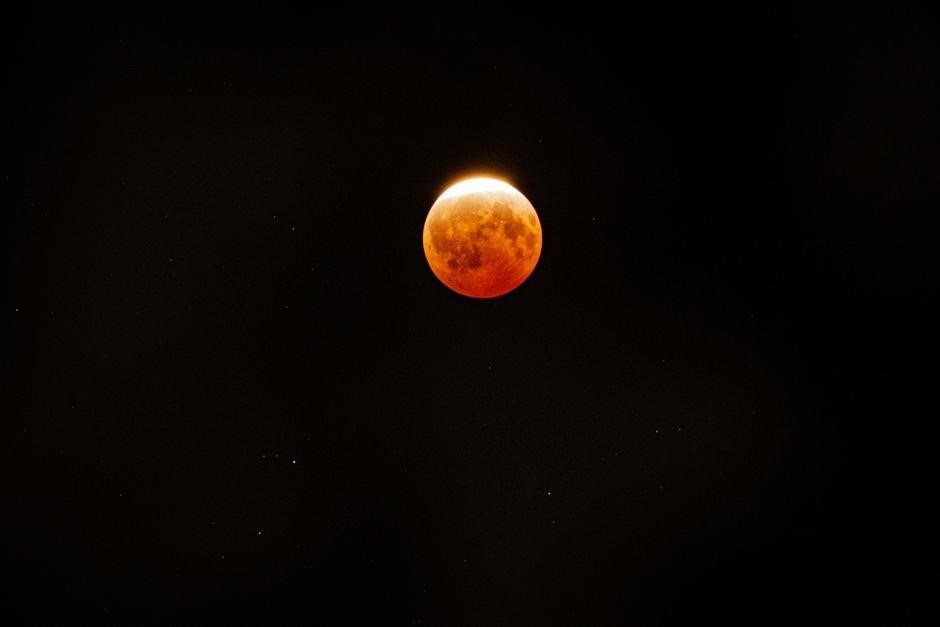
A lunar eclipse happens when Earth’s shadow falls on the Moon during a full moon, aligning the Sun, Earth, and Moon nearly in a straight line․ The Earth casts two shadows: the umbra, the darkest part, and the penumbra, a lighter outer rim․ If the Moon passes wholly into the umbra, a total lunar eclipse occurs, turning the Moon a deep reddish hue—often called the “Blood Moon”—as sunlight is filtered through Earth’s atmosphere․ When only part of the Moon enters the umbra, a partial lunar eclipse results, leaving a crescent of the original brightness․ A penumbral eclipse, the least noticeable, happens when the Moon passes only through the penumbra, producing a subtle dimming that can be hard to detect․ Lunar eclipses are visible from any location on Earth’s night side, making them more widely observable than solar eclipses․ They recur in the Saros cycle, approximately every 18 years, 11 days, and 8 hours, when the Sun, Earth, and Moon return to similar relative positions․ Because Earth’s shadow is larger than the Moon’s, lunar eclipses occur more frequently than solar eclipses․ Worksheets on lunar eclipses often ask students to identify eclipse types, calculate the duration of umbral contact, and interpret eclipse maps, reinforcing concepts of orbital mechanics, shadow geometry, and atmospheric optics․ Understanding lunar eclipses also offers insight into Earth’s atmospheric composition, as the color and brightness changes during totality reflect atmospheric scattering․ This knowledge is vital for students in astronomy, physics, or Earth science, and worksheets help them apply theory to real‑world observations․
Observing a lunar eclipse is safe with the naked eye, but students should still use proper eye protection when viewing the Sun during the eclipse’s partial phases․ Many schools organize guided viewing sessions, using binoculars or telescopes to magnify the Moon’s surface features, such as maria and craters, which become more pronounced during the eclipse․ Recording the event with a camera or smartphone can provide valuable data for later analysis, allowing students to compare the eclipse’s timing with predicted models and to study the rate of atmospheric scattering․ By engaging with these activities, learners deepen their appreciation for celestial mechanics and the dynamic nature of Earth’s environment․
Types of Solar Eclipses
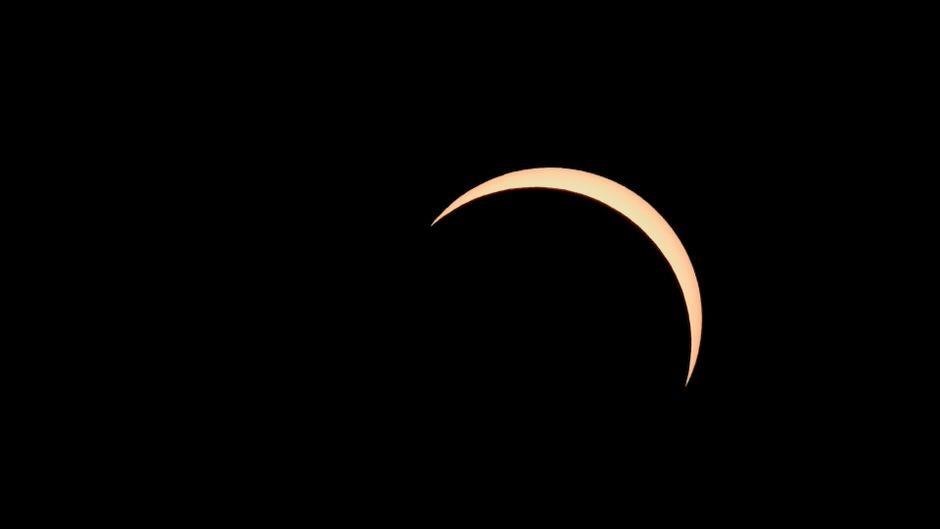
Solar eclipses are classified by the relative sizes of the Sun, Moon, and Earth’s shadow․ The primary categories are total, annular, partial, and hybrid․ A total eclipse occurs when the Moon’s apparent diameter exceeds that of the Sun, allowing the Moon to cover the entire solar disk and casting the umbra onto Earth․ The sky darkens, the corona becomes visible, and the path of totality is a narrow strip typically 100–200 km wide․ An annular eclipse happens when the Moon is near apogee, making it slightly smaller than the Sun․ The Moon covers the center of the Sun but leaves a bright ring, or “annulus,” around the edge․ The path of annularity is also narrow, but the ring can be seen from a broader region․ Partial eclipses are the most common; only a portion of the Sun is obscured, and the umbra touches Earth’s surface only at the edge of the eclipse path․ Hybrid eclipses are rare and transition between total and annular along the same path, depending on the observer’s location․ Worksheets often ask students to identify eclipse types from diagrams, calculate durations, and discuss the geometry of the Earth–Moon–Sun system․ Understanding these categories helps explain why eclipses are visible only from specific geographic areas and why they occur in the Saros cycle․
Because the Moon’s orbit is inclined 5° to the ecliptic, eclipses only occur when the Sun, Earth, and Moon align near the lunar nodes․ The Saros cycle of roughly 18 years, 11 days, and 8 hours predicts the recurrence of similar eclipse geometries, shifting gradually northward or southward each cycle․Check
Types of Lunar Eclipses
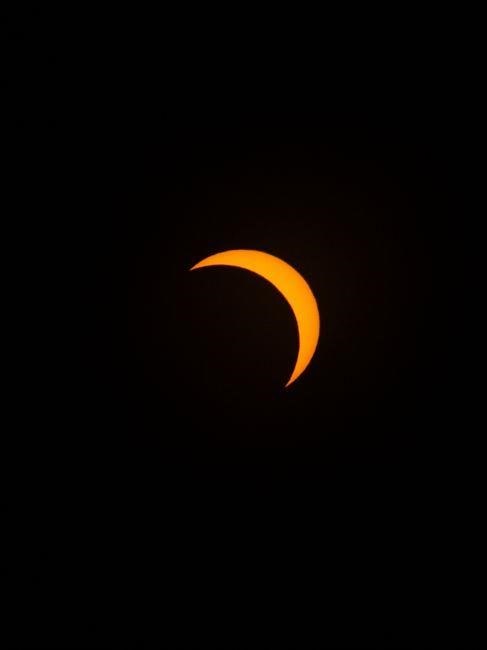
Three main types of lunar eclipses—penumbral, partial, and total—are distinguished by the portion of the Moon that enters Earth’s shadow․ A penumbral eclipse occurs when the Moon passes through only the outer, diffuse part of the umbra, producing subtle shading that is often hard to detect․ A partial eclipse is when the Moon’s disk is partially covered by the umbra, creating a visible dark crescent․ The most dramatic is the total eclipse, during which the entire Moon is engulfed by the umbra, turning the surface a deep reddish hue due to Earth’s atmospheric scattering․ The duration of each type varies: penumbral eclipses can last several hours, partial eclipses typically last one to two hours, and total eclipses can reach up to 90 minutes․ The visibility of each type depends on the observer’s geographic location and the alignment of the Sun, Earth, and Moon․
Because the Moon’s shadow moves across Earth at 1,000 km/h, the path of totality for a lunar eclipse is wide, allowing many observers to see the full event․ However, the exact timing and visibility depend on the observer’s longitude and the Moon’s phase angle, making precise calculations essential for accurate predictions․ Students can compare the observed brightness with theoretical models to understand atmospheric scattering․
Students can predict eclipse visibility now!!
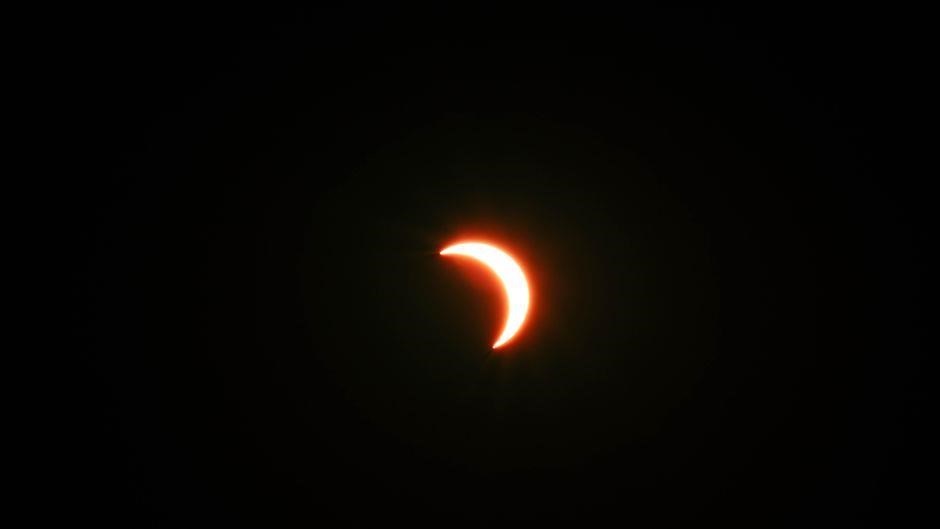
These worksheets also encourage students to use data from observatories today to compare predicted and observed eclipse timings, enhancing their analytical skills․
Students can also explore the historical significance of eclipses, noting how ancient cultures interpreted them as omens, and how modern science uses eclipse observations to test gravitational theories and refine orbital models․
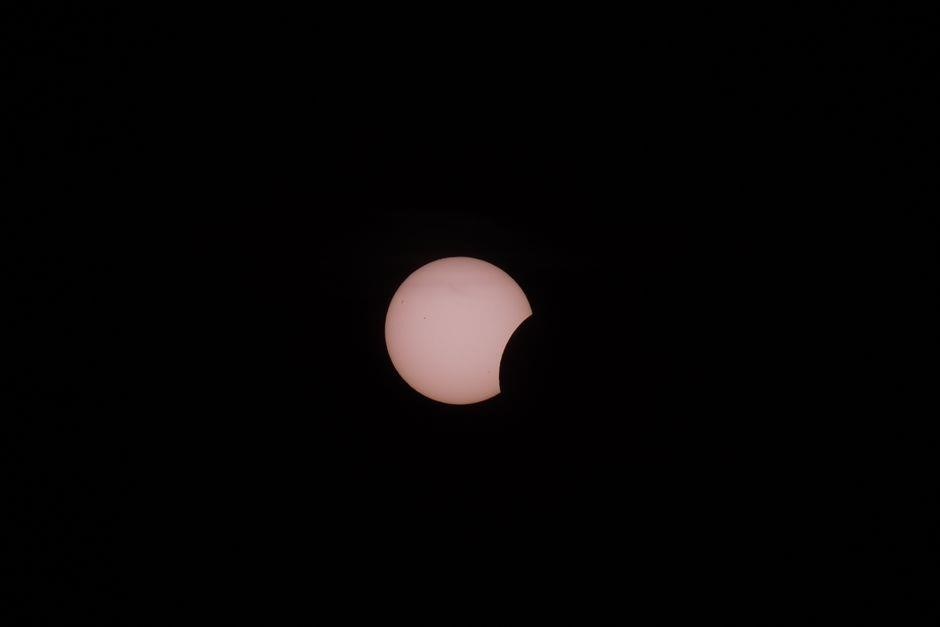
By integrating these worksheets into lesson plans, teachers can provide hands‑on activities that reinforce geometric reasoning, enhance spatial visualization, and promote inquiry‑based learning about celestial mechanics․
These resources foster curiosity and critical thinking in astronomy education․
Curiosity thrives in astronomy․!!
Key Concepts Covered in Worksheets
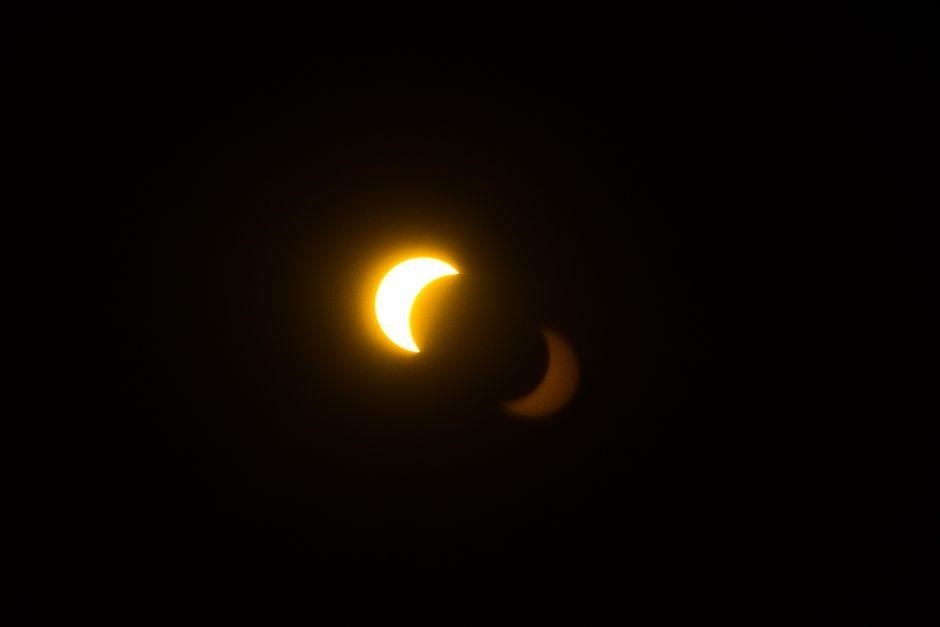
The worksheet introduces astronomical concepts that underpin solar and lunar eclipses․ It begins with the geometry of the Sun–Earth–Moon system, explaining how relative positions create eclipse conditions․ Students learn about the Earth’s umbral and penumbral shadows, the Moon’s orbital inclination, and how the orbital tilt leads to eclipse periodicity․
Key calculations are highlighted, including eclipse duration, angular size of the Moon and Sun, and timing of eclipse phases․ The worksheet also covers the effect of Earth’s atmosphere on lunar eclipse appearance, such as the reddish hue from Rayleigh scattering, and how atmospheric conditions alter observed brightness․
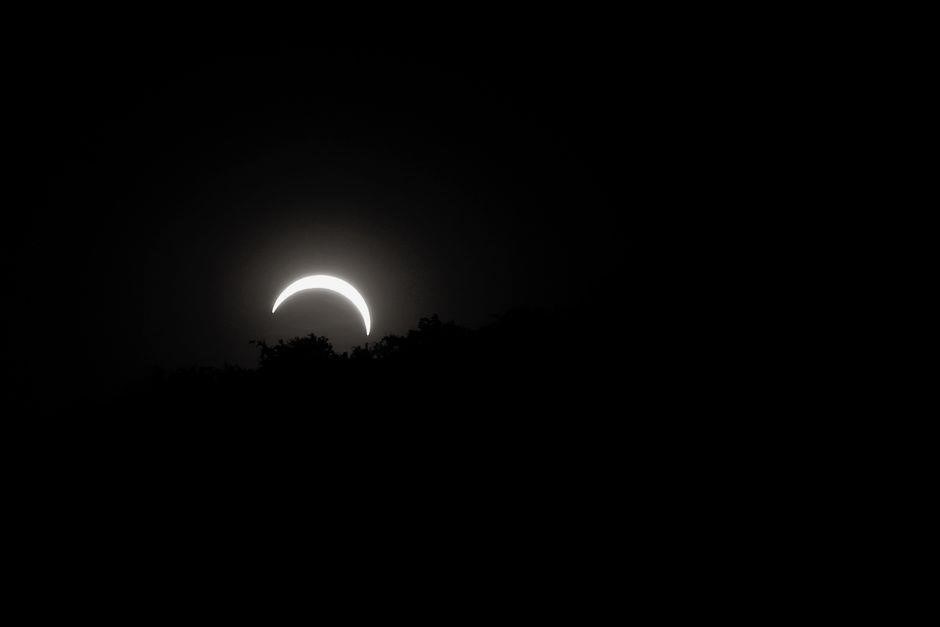
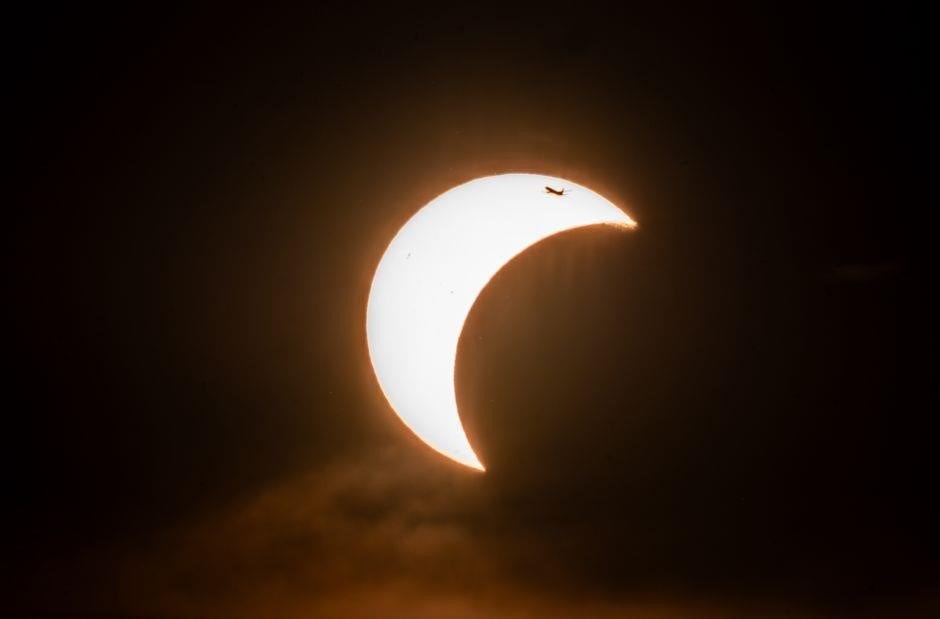
Students engage with diagram‑based questions that require them to interpret eclipse scenarios, identify event sequences, and predict outcomes based on celestial alignment․ Sequence arrangement activities reinforce the chronological order of eclipse phases, from partial to total and back to partial or penumbral stages․
Data analysis is central: learners use real‑time eclipse data to compare predicted and observed timings, refine orbital parameters, and understand precision needed for forecasting․ The worksheet introduces eclipse cycles, notably the Saros cycle, explaining how it allows astronomers to predict future eclipses accurately․
By integrating multiple choice, short answer, and diagram interpretation tasks, the worksheet promotes critical thinking, spatial reasoning, and appreciation for celestial mechanics․ These activities help students develop a holistic understanding of how eclipses are generated, observed, and analyzed within planetary science․
Students also explore how eclipse observations have historically informed scientific progress, from early calendar calculations to modern tests of general relativity․ By examining historical records and contemporary data, learners appreciate the continuity of eclipse study across cultures and eras․
This approach fosters literacy․
Multiple Choice Question Examples
The worksheet’s multiple‑choice section offers 24 focused questions that test students’ understanding of eclipse fundamentals․ Each item presents four answer options (A, B, C, D), prompting quick recall and application of key facts․ Sample questions cover alignment, causes, visual effects, and predictive cycles․ For example: “Which alignment produces a total solar eclipse?” (A) Sun‑Earth‑Moon, (B) Sun‑Moon‑Earth, (C) Earth‑Sun‑Moon, (D) Moon‑Earth‑Sun; “What causes a lunar eclipse?” (A) Earth’s shadow on the Moon, (B) Moon’s shadow on Earth, (C) Sun’s shadow on Earth, (D) Sun’s shadow on Moon; “Why does the Moon appear reddish during a lunar eclipse?” (A) Rayleigh scattering, (B) Mie scattering, (C) Compton scattering, (D) Brillouin scattering; “Which cycle predicts similar eclipses?” (A) Metonic, (B) Saros, (C) Tritos, (D) Exeligmos; “What determines the duration of a total eclipse?” (A) Orbital speeds, (B) Earth’s rotation, (C) Solar diameter, (D) Lunar albedo․ The questions are grouped by theme, allowing teachers to target specific learning objectives․ A separate answer key provides correct responses for self‑assessment or teacher review․ The PDF format supports both individual practice and classroom quizzes, and can be printed or shared electronically․ By completing these items, students sharpen reasoning, improve recall of eclipse terminology, and develop diagram‑interpretation skills․ The worksheet aligns with national science standards, ensuring relevance for curriculum planning and assessment․ Students who finish this section will have a solid foundation for the following short‑answer and diagram tasks․ Teachers can use the answer key for quick grading, and the PDF’s clean layout facilitates both classroom and homework use․ This resource supports learning styles and assessment․ The worksheet’s design encourages critical thinking, helps students visualize eclipse geometry, and provides a foundation for advanced astronomical studies․ and analysis․
Short Answer Question Examples
Students answer six concise prompts that ask them to interpret eclipse diagrams and explain the conditions that create each type․ One question presents a diagram of a partial solar eclipse and asks which celestial bodies are aligned and why the Moon’s shadow does not reach the Earth․ Another shows a penumbral lunar eclipse and requires the student to describe how the Moon passes through Earth’s penumbra and why the brightness change is subtle․ A third question asks the student to explain why a total solar eclipse can only occur during a new moon when the Sun, Earth and Moon are in a straight line․ A fourth prompt asks the student to identify the key differences between a total and a partial lunar eclipse, including the role of Earth’s umbra and penumbra․ A fifth question asks the student to calculate the approximate duration of a total eclipse given the relative speeds of the Earth’s rotation and the Moon’s orbit; The final prompt asks the student to describe how the Saros cycle predicts the recurrence of similar eclipses, citing the 18‑year, 11‑day period․ These short answers reinforce diagram interpretation, celestial mechanics, and eclipse terminology, and they can be graded quickly using the provided answer key․ These exercises test factual recall while encouraging geometric reasoning, shadow analysis, and eclipse visibility predictions․ Working through the questions strengthens scientific vocabulary, critical thinking, and confidence in interpreting astronomical data․ The PDF format allows easy printing, sharing, and digital annotation, making it a versatile tool for teachers and studentsdaily․
Diagram Interpretation Exercises
Students examine four labeled diagrams that depict the Sun, Earth and Moon during various eclipse phases․ One diagram shows a total solar eclipse with the Moon’s umbra falling on the Earth’s surface; the student must identify the point of greatest eclipse and explain why the Sun’s light is completely blocked․ Another diagram illustrates a partial lunar eclipse, requiring the student to trace the Moon’s path through Earth’s penumbra and describe the gradual dimming of the lunar surface․ A third diagram presents a penumbral lunar eclipse, where the student must note the subtle shading and explain why the Moon appears only slightly darker․ The final diagram depicts a hybrid eclipse, asking the student to explain how the eclipse can appear total at one latitude and annular at another due to Earth’s curvature․ Each exercise includes a short answer box for the student to write a concise explanation, reinforcing spatial reasoning and the relationship between celestial geometry and observed brightness․ The PDF format allows teachers to print the diagrams and students to annotate directly, enhancing engagement and visual learning․ Students can use the PDF to create bright eclipse timelines, fostering creativity․
Sequence Arrangement Activities
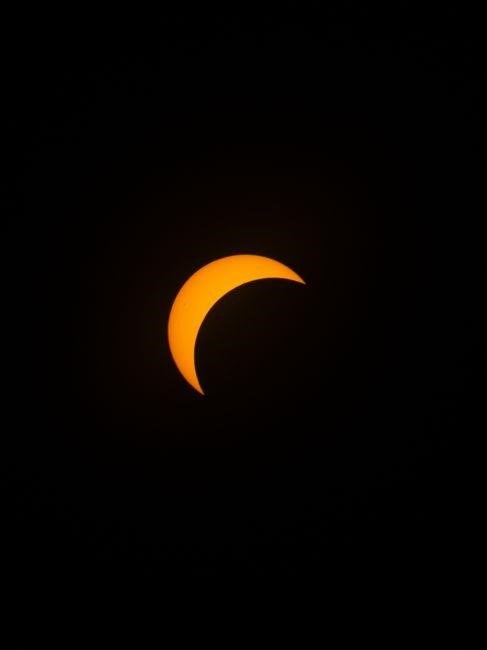
Students can also use the PDF to create a sequence board: each card displays an eclipse phase with a bright small illustration․ By arranging the cards in order, learners practice spatial reasoning and reinforce the nature of eclipse events․ The worksheet encourages why the Moon’s shadow moves across Earth’s surface and how the observer’s latitude affects the eclipse’s appearance․ Teachers can ask students to predict the next eclipse date and calculate its path using the data tables․ This activity builds critical thinking for all ages․ Learn!
Use of Eclipse Data in Worksheets
The worksheet’s data section supplies precise eclipse parameters—dates, times, geographic visibility, and shadow path coordinates—allowing students to perform calculations and predictions․ By applying the provided tables, learners can determine the exact moment a total eclipse will occur over a specific city, calculate the duration of the penumbral and umbral phases, and compare observed magnitudes with theoretical values․ The activity encourages the use of trigonometric relationships to estimate the distance between Earth and Moon during different eclipse types, reinforcing concepts of orbital mechanics․ Additionally, the PDF includes a “Data Interpretation” exercise where students match observed eclipse brightness curves to the corresponding phase diagrams, honing their analytical skills․ Teachers can extend the lesson by having students create a simple spreadsheet that tracks eclipse frequency over decades, fostering data literacy and a deeper appreciation for celestial cycles․ This hands‑on approach transforms raw numbers into meaningful scientific insight, promoting inquiry‑based learning and critical thinking across all grade levels․
Students can also plot the eclipse path on a world map, marking the umbral and penumbral zones, and then calculate the percentage of the Moon’s disk covered at key points․ By comparing these calculations with the provided data tables, learners gain confidence in applying geometry to real‑world astronomy․ The worksheet encourages collaborative discussion, where groups present their findings and justify discrepancies using orbital mechanics principles․!!
Download and Format Options
Students and teachers can access the eclipse worksheet in several convenient formats․ The primary file is a PDF that preserves the layout, images, and interactive checkboxes, making it ideal for printing or digital grading․ For those who prefer editing, a Word (․docx) version is available, allowing educators to customize questions, add annotations, or integrate the worksheet into a larger lesson plan․ A plain‑text (․txt) copy offers a lightweight alternative for quick reference or for use in text‑based learning management systems․ All formats can be downloaded directly from the resource page, where a single click initiates the transfer․ The PDF includes embedded hyperlinks to external data tables and explanatory videos, ensuring that users can explore supplementary material without leaving the document․ If bandwidth is limited, the Word file can be compressed into a ZIP archive, reducing download time while retaining full functionality․ Finally, the worksheet is also available in a web‑viewable format that adapts to screen size, enabling mobile learners to complete the activity on tablets or smartphones․ This multi‑format strategy guarantees accessibility for diverse learning environments and technological preferences․ Teachers can also embed the worksheet into classroom platforms, allowing grading and feedback! Students can track progress through a shared spreadsheet, fostering collaborative learning and data analysis skills!
Educational Benefits of Using Worksheets
Using the solar‑and‑lunar‑eclipse worksheet empowers learners to actively engage with celestial mechanics․ The blend of 24 multiple‑choice items and six short‑answer prompts encourages retrieval practice, reinforcing memory of eclipse phases and the relative positions of Earth, Moon, and Sun․ Diagram‑interpretation tasks develop spatial reasoning, as students translate orbital geometry into visual representations․ Sequence‑arrangement activities foster logical sequencing, helping pupils grasp the chronological order of eclipse events․ By incorporating real‑time eclipse data, the worksheet connects theory to observation, promoting data‑driven inquiry and the application of scientific methods․ The PDF format preserves formatting for print, while the Word version allows teachers to adapt questions to class levels, supporting differentiated instruction․ Students can annotate directly, track progress, and reflect on misconceptions․ Overall, this resource cultivates critical thinking, problem‑solving, and scientific literacy, preparing students for advanced astronomy studies and fostering a lifelong curiosity about the cosmos․ thrive․!!!!
The worksheet also includes a section on eclipse terminology, ensuring that learners become fluent in key vocabulary such as “umbra,” “penumbra,” and “annular․” By repeatedly encountering these terms in context, students build a robust conceptual framework that supports cross‑disciplinary connections to physics, astronomy, and Earth science․ The interactive nature of the PDF encourages self‑paced learning; students can pause, review diagrams, and revisit questions until mastery is achieved․ Teachers can use the built‑in answer key to conduct quick quizzes, while the editable Word file allows for the creation of custom quizzes for assessment or homework․ The resource’s alignment with UPSR science standards ensures that it meets curriculum benchmarks, making it a reliable tool for exam preparation․ The worksheet’s modular design also allows integration with virtual planetarium software, enhancing immersive learning experiences․ Teachers can easily export the worksheet to LMS platforms, ensuring seamless assessment tracking․ Students thrive․