Geographic Diversity of California Bird Habitats
California’s bird habitats span from rugged Pacific coastlines and fog‑laden cliffs to alpine Sierra peaks, arid deserts, and lush oak woodlands. Coastalmarshes host migratory shorebirds, while mountain valleys shelter resident songbirds. Desert scrub supports hardy raptors, and inland wetlands nurture waterfowl.
Coastal, Mountain, Desert, and Forest Regions
Along California’s western seaboard, intertidal flats, salt marshes, and cliffside talus create a mosaic of habitats that attract shorebirds, gulls, and raptors such as the California condor. The Pacific Ocean’s influence moderates temperatures, allowing year‑round nesting of species like the Western Gull and the Red‑winged Blackbird.
Rising from the coast, the Sierra Nevada’s foothills transition to dense coniferous forests and alpine meadows. Here, resident songbirds such as the Sierra Bluebird and the Mountain Chickadee thrive, while the high‑altitude zones support the rare White‑believed Pygmy Owl. The varied elevation gradients produce distinct microclimates that sustain diverse avian communities.
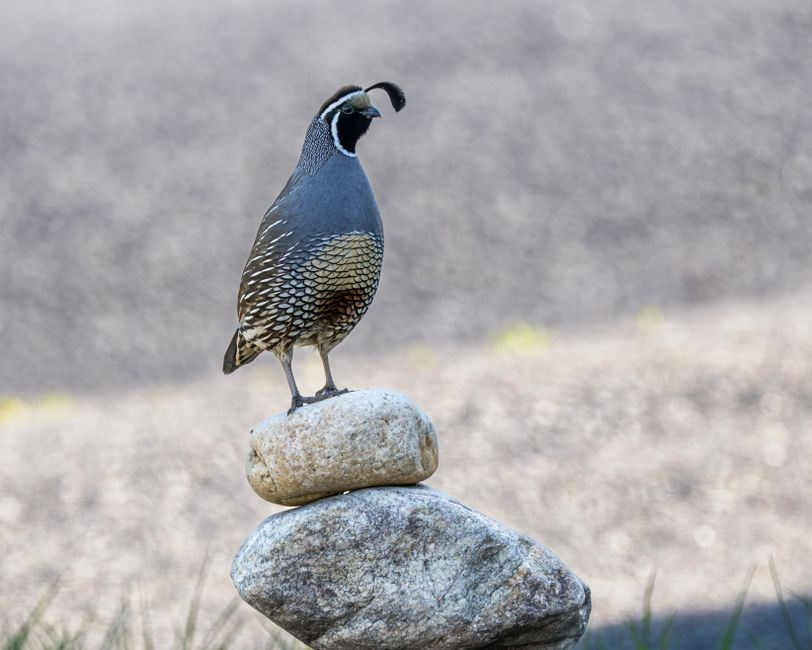
Southward, the Mojave and Sonoran Deserts offer sparse vegetation, scrubby shrubs, and cactus. Desert‑adapted birds—including the Gila Woodpecker, the Desert Tanager, and the California Quail—have evolved water‑conservation strategies and nocturnal foraging habits. In contrast, the inland valleys host riparian corridors that support waterfowl like the American White Pelican and the Western Sandpiper.
Finally, the Central Valley’s oak woodlands and grasslands provide nesting sites for species such as the California Quail, the Western Scrub‑Jay, and the Mountain Bluebird. These habitats also serve as critical points for bird species, linking the coastal, mountain, desert, and forest regions into a continuous avian landscape.Across seasons, the skies pulse with song and color bright vibrant
Migration and Flyway Dynamics
California lies on the Pacific Flyway, hosting millions of migratory birds. Key stopovers include San Luis Obispo, Channel Islands, and San Diego Bay. Birds refuel, rest, and breed, making the state a vital corridor for species from Alaska to Patagonia. Migrations shape life
Pacific Flyway and Key Stopover Sites
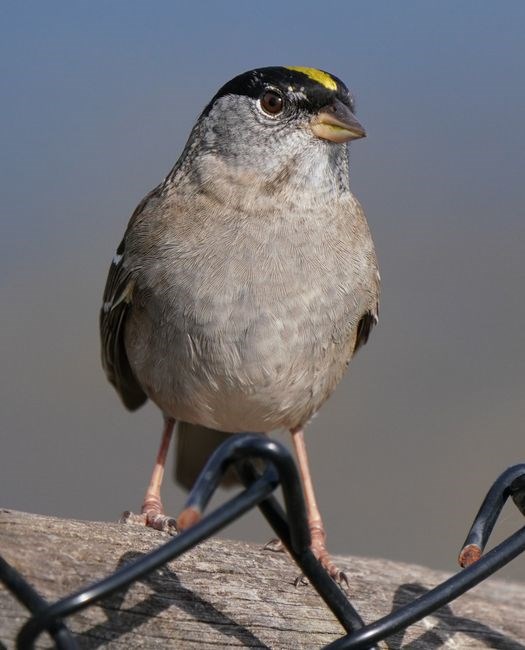
California’s position along the Pacific Flyway makes it a critical corridor for thousands of migratory birds each spring and fall. The flyway stretches from Alaska, through the continental United States, down to South America, and California’s diverse habitats provide essential refueling and resting sites. Key stopovers include the San Luis Obispo Coast, the Channel Islands, and the San Diego Bay area. The San Luis Obispo coast, with its extensive tidal flats and estuaries, supports species such as the Western Sandpiper, Snowy Plover, and the endangered California Gull. The Channel Islands, especially San Miguel and Santa Barbara Island, offer sheltered nesting grounds for the endangered Island Scrub‑Jay and abundant foraging opportunities for migratory shorebirds. San Diego Bay, a large estuarine system, is a vital wintering ground for waterfowl like the Northern Pintail and for shorebirds such as the Black‑belled Gulls. Additionally, the coastal wetlands of the Monterey Bay area provide critical habitat for the California Gull, the Pacific Gull, and the migratory Black‑legged Kestrel. These sites not only offer food and shelter but also serve as ecological waypoints where birds can recover energy before continuing their long journeys. Conservation efforts focus on protecting wetlands, managing shorelines, and monitoring bird populations to ensure the health of the flyway remains intact for future generations. Researchers and citizen scientists monitor bird movements, providing data that informs conservation policies and mitigates habitat loss from climate change and! 2026 Future 2027
Resident Passerines of California
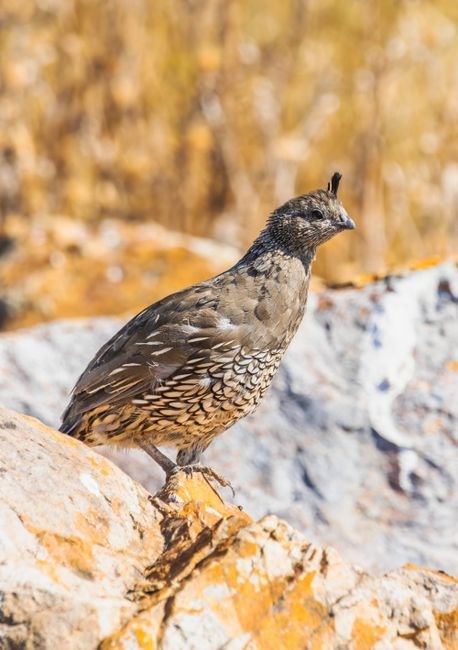
California’s resident passerines thrive in diverse habitats, from coastal scrub to oak woodlands. Notable species include the California Thrasher, the Western Kingbird, and the Mountain Bluebird. Their vibrant plumage and varied songs enrich local ecosystems and delight birdwatchers.Their enriches soundscape now
Family-level Diversity and Notable Species
California’s resident passerines span more than 30 families, each adding unique ecological roles. The Threskiornithidae, with the California Thrasher, shows bright plumage and complex songs. Tyrannidae, represented by the Western Kingbird, dominate open habitats with aggressive defense. Parulidae, featuring the Mountain Bluebird, exhibit brilliant blue plumage and insect diets. Vireonidae, with the Bay Wren, thrive in dense shrubland. Emberizidae, represented by the California Ground Squirrel, display ground‑foraging behaviors. Fringillidae, featuring the California Goldfinch, demonstrate bright yellow plumage and seed diets. Passerellidae, including the House Finch, are common in urban areas. Corvidae, represented by the California Scrub Jay, show advanced problem‑solving. Turdidae, featuring the American Robin, are familiar migratory birds. Laniidae, with the Northern Shrike, prey on small vertebrates. Alcedinidae, represented by the Belted Kingfisher, hunt fish along rivers. Picidae, featuring the Northern Flicker, excavate cavities. Apodidae, with the Chimney Swift, perform aerial acrobatics. Motacillidae, featuring the California Pipit, are small ground‑dwelling species favoring grassland edges. This extensive family diversity not only illustrates California’s avifauna but also highlights the importance of preserving varied habitats—from coastal marshes and oak woodlands to alpine meadows and arid scrublands—so future generations can observe and study the rich tapestry of resident passerines that define the state’s natural heritage today!.
Waterfowl and Shorebird Communities
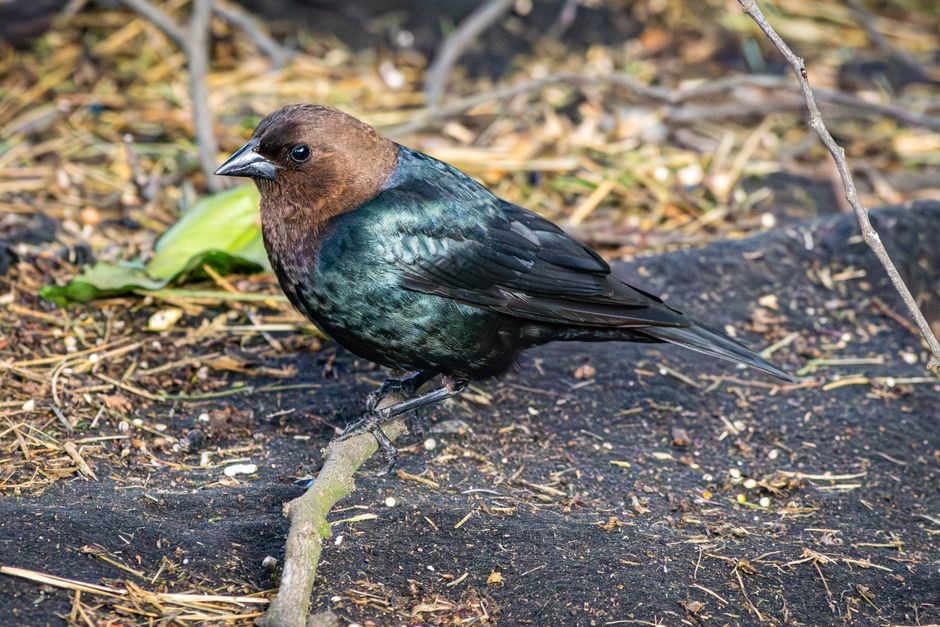
California’s wetlands host diverse waterfowl, from Mallard to Western Grebe. Shorebirds such as Black‑belted Tern, Pacific Gull, and California Gull thrive along the coast. Seasonal migrants like the American Avocet and Greater Sand Plover add to coastal tapestry. Their feeding nesting shape shore ecology.!!!
Seasonal Presence and Habitat Preferences
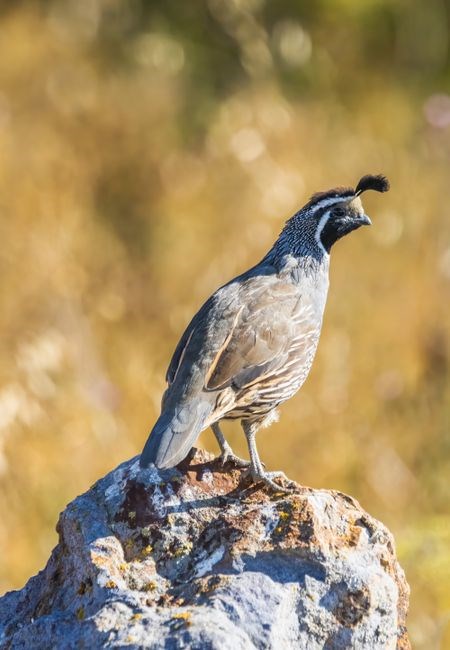
California’s waterfowl and shorebirds exhibit pronounced seasonal rhythms tied to migration, breeding, and overwintering. In spring, the Pacific Flyway funnels thousands of ducks—Mallards, Northern Pintails, and Blue‑headed Ducks—into the Sacramento Valley’s floodplains, where shallow marshes provide abundant food and nesting cover. Simultaneously, shorebirds such as the Western Sandpiper and Least Sandpiper move into coastal mudflats and estuaries, exploiting tidal pools rich in invertebrates. Summer brings a surge of breeding populations; the Great Blue Heron and California Gull establish colonies on isolated islands and low‑lying wetlands, while the Pacific Gull’s nesting pairs favor rocky bluffs along the coast. During the fall, many species—particularly the American Avocet, Black‑belted Tern, and Greater Sand Plover—return to California’s coastal and inland wetland complexes, timing their arrival with peak food availability. Winter, however, sees a dramatic shift: waterfowl such as the Northern Shoveler, Common Merganser, and American White Pelican concentrate in the San Joaquin Delta and San Francisco Bay, where water levels remain high and food sources are plentiful. Shorebirds like the Black‑legged Kittiwake and Arctic Tern are largely absent, replaced by resident species such as the Western Gull and Black‑capped Chickadee. Habitat preferences are tightly linked to water depth, vegetation structure, and prey density; shallow, vegetated wetlands favor dabbling ducks, while deeper channels support diving species. Coastal mudflats with fine sediment attract shorebirds that probe for invertebrates, whereas salt marshes provide nesting sites for gulls and terns. During late summer, the Pacific Flyway’s waterfowl peak, with species like the Northern Pintail and the Blue‑headed Duck nesting in the delta’s reed beds. In winter, the San Joaquin Delta’s wetlands serve as a refuge for species such as the American White Pelican and the Common Merganser, whose numbers rise dramatically. These patterns underscore California’s role as a critical nexus for both resident and migratory avifauna, and conservation efforts focus on wetland restoration and shoreline protection. Their presence reflects ecosystem health.
Raptors and Predatory Birds
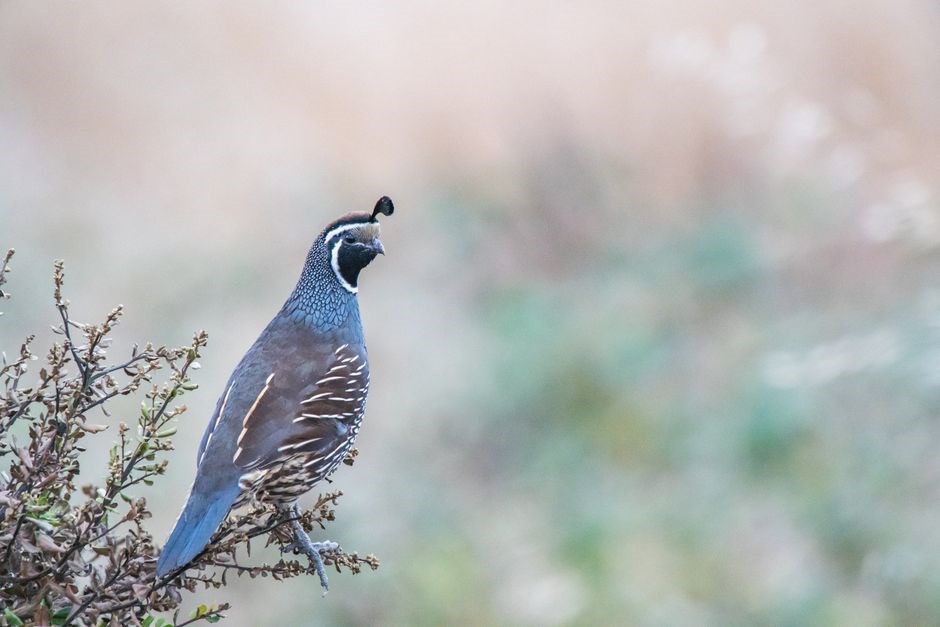
California raptors range from Golden Eagles in the Sierra to Peregrine Falcons on coastal cliffs. Red‑tailed Hawks thrive in open valleys, while Sharp‑shinned Hawks patrol oak woodlands. Conservation focuses on habitat protection and nesting success Efforts aid wild species
Distribution, Status, and Conservation
California’s raptor assemblage is shaped by its diverse topography, climate gradients, and human land use. In the Sierra Nevada, Golden Eagles (Aquila chrysaetos) and Northern Goshawks (Accipiter gentilis) occupy high‑elevation ridges and forested canyons, while the coastal ranges host Peregrine Falcons (Falco peregrinus) nesting on cliff ledges and urban towers. The Central Valley’s open grasslands and agricultural mosaics provide hunting grounds for Red‑tailed Hawks (Buteo jamaicensis) and Broad‑winged Hawks (Buteo platypterus), whereas the Mojave Desert supports the Desert Tanager’s avian predators such as the Gyrfalcon and the elusive Sharp‑shinned Hawk. Oak woodlands across the Bay Area and the Central Coast harbor Sharp‑shinned and Cooper’s Hawks, with nesting sites in mature trees and human structures alike.
Population status varies widely among species. The Golden Eagle remains relatively stable but faces challenges from habitat fragmentation and lead poisoning. Peregrine Falcons, once endangered, have rebounded due to captive breeding and pesticide regulation, yet continue to require suitable nesting sites and prey abundance. Red‑tailed Hawks are common and adaptable, though their numbers can fluctuate with prey availability and habitat alteration.
Conservation focuses on reducing lead ammunition, wind turbine collisions, and habitat loss. Agencies monitor populations, educate the public, and implement the California Raptor Management Plan, emphasizing habitat restoration nesting protection. Community science projects aid data collection!
Threatened and Endangered Species
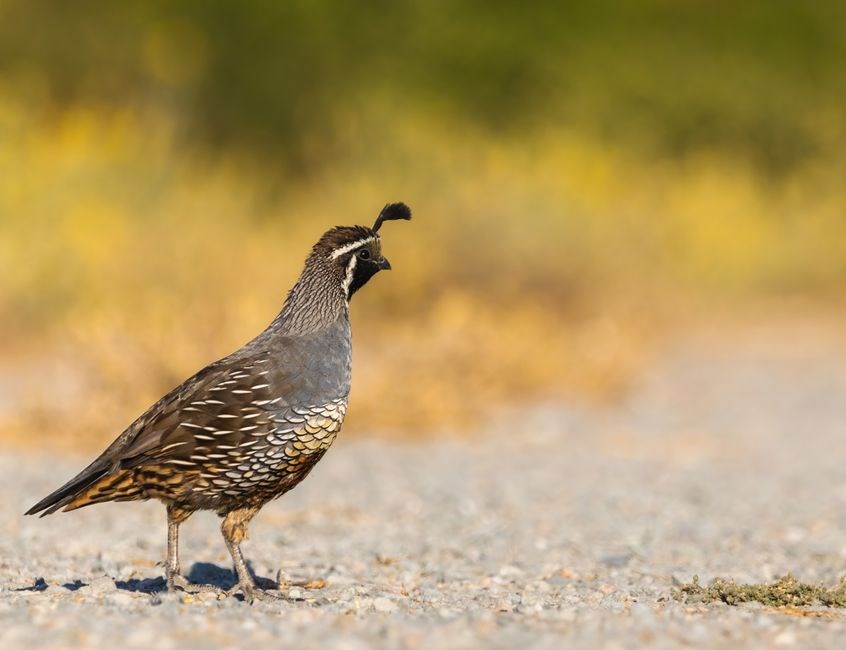
California’s bird, the California Condor, recovered from 27 to ~400 individuals through captive breeding. Other imperiled species: California Least Tern, Gnatcatcher, Sierra Nevada Red Squirrel’s allies. Conservation relies on habitat protection, predator control, education.
Legal Protection and Recovery Efforts
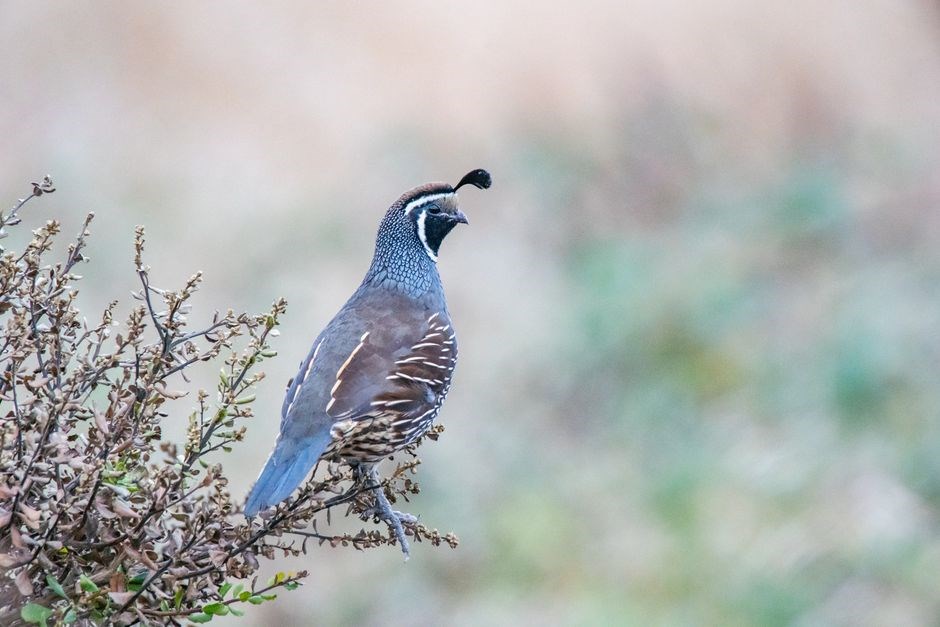
California’s endangered avian roster is safeguarded by federal and state statutes, including the Endangered Species Act, the Migratory Bird Treaty Act, and the California Wildlife Conservation Act. These laws mandate habitat acquisition, restoration projects, and strict penalties for illegal killing or trade. Recovery plans, developed by the U.S. Fish and Wildlife Service and the California Department of Fish and Wildlife, set measurable population targets, designate critical habitats, and require monitoring protocols. For the California condor, captive breeding and reintroduction programs have increased numbers from a single pair in 1987 to over 400 wild individuals. The California least tern benefits from protected nesting sites on coastal islands and strict shoreline development controls. The Gnatcatcher’s recovery hinges on preserving chaparral and oak scrub, with restoration grants for invasive species removal. Public education campaigns, citizen science monitoring, and collaboration with private landowners expand protective measures. Adaptive management, funded through federal grants and state bonds, ensures that conservation strategies evolve with new scientific data, maintaining momentum toward species recovery and long‑term viability. These collaborative efforts, supported by state and federal agencies, non‑profit organizations, and engaged citizen scientists, exemplify a holistic approach that balances ecological integrity with human stewardship, ensuring that California’s avian heritage endures for future generations. Together they safeguard the skies. for all. and mo.
Field Identification and Birding Practices
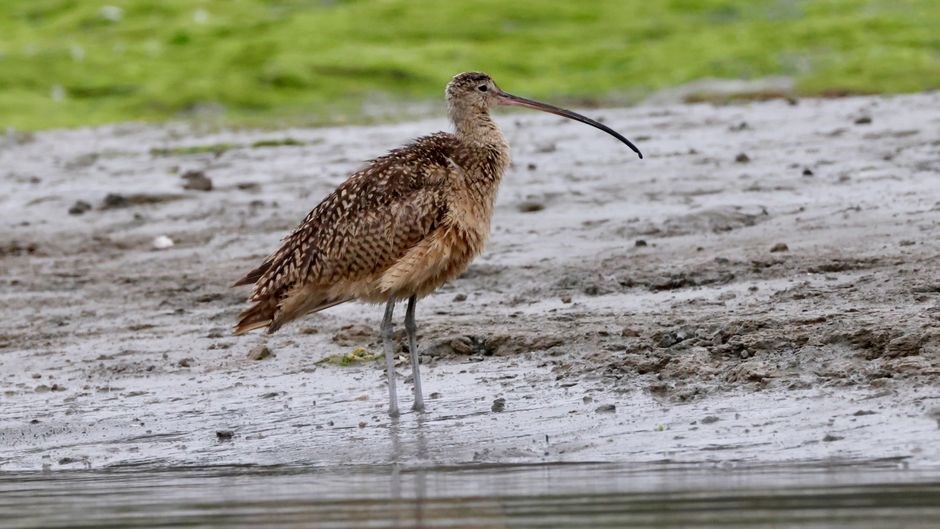
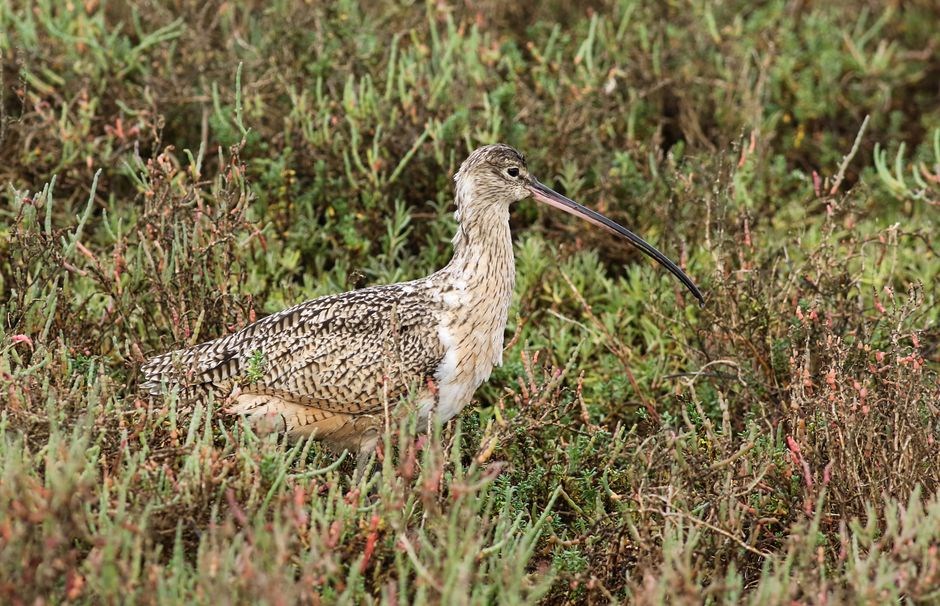
Use binoculars and a field guide to locate species. Observe plumage, song, and flight pattern before recording. Respect nesting sites by staying at least 100 ft away. Join citizen‑science programs like eBird to share sightings and aid conservation data!!
Tools, Tips, and Ethical Considerations
Begin with a pair of binoculars (8–12×) and a lightweight spotting scope for distant species. A field guide with color plates and range maps is essential; apps can supplement but should not replace daily observation!
When approaching a bird, move and quietly; movements trigger flight. Keep a minimum distance of 100 ft from nests and broods to avoid disturbance, and observe from a concealed spot or tree stand to reduce human scent!
Follow the “Leave No Trace” principles—pack out all trash, stay on established trails, and minimize habitat impact while enjoying daily landscape. Remember to observe quietly and avoid disturbing wildlife and carefully.
Ethical birding also involves respect: species are sacred to Indigenous communities. Learn stewardship practices, honor traditional knowledge, and avoid actions that could harm sacred sites or disrupt cultural rituals!
For vocalists, a high‑frequency recorder can capture subtle calls that are key to identification. Pair recordings with visual data in a database to build a personal reference library for future comparison. Archive aids
Use a 400 mm lens to avoid startling birds. Adjust ISO to keep noise low while preserving detail, and use a tripod to stabilize shots during long exposures. Remember to observe quietly and avoid disturbing wildlife
Remember that birding is a responsibility as much as a hobby. By observing responsibly, sharing data, advocating for habitat protection, you help ensure that future generations can enjoy California’s avian diversity!