Choosing a Tour Specialty
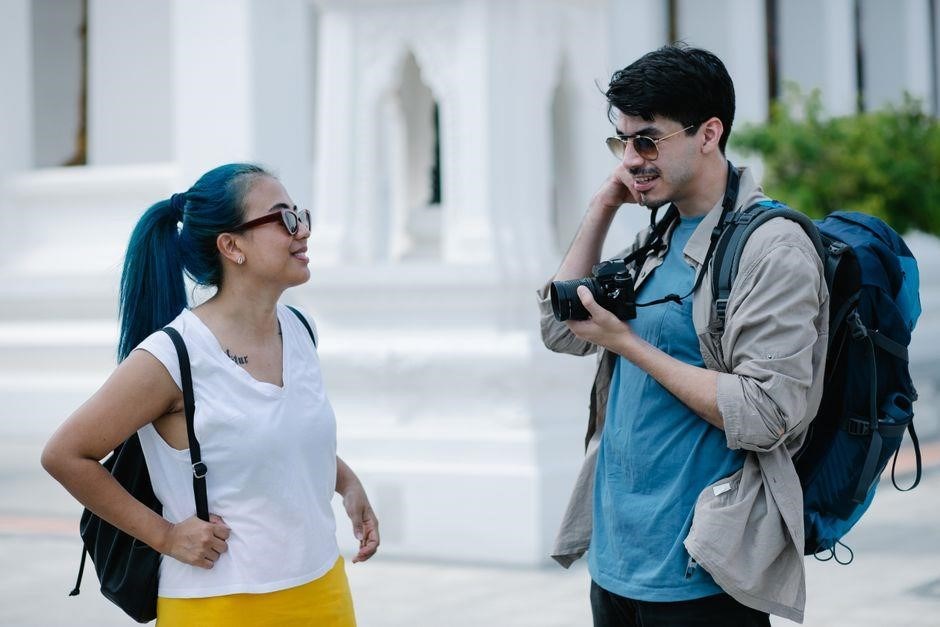
Start by researching local attractions and popular themes. Use reliable sources to gauge demand, then choose a niche that aligns with your strengths and the region’s unique appeal. Test your concept with a pilot group before launch, and align your specialty for authenticity in region. and promote it online.!!
Research Popular Themes and Local Attractions

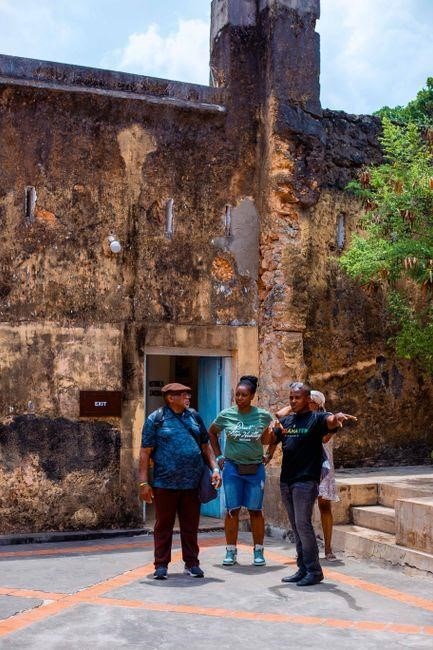
Begin by mapping the region’s key attractions—historic sites, natural wonders, culinary hotspots, and cultural festivals. Use online travel portals, local tourism boards, and visitor reviews to identify the most frequented spots. Analyze seasonal trends to spot peak periods and niche interests such as eco‑tourism, culinary tours, or heritage walks. Cross‑reference social media hashtags and travel blogs to gauge emerging buzz. Compile a list of attractions, noting their capacity, operating hours, and any special events. Next, survey local businesses and community leaders to uncover hidden gems that may not appear on mainstream sites. This dialogue can reveal unique experiences, such as artisan workshops or off‑the‑beaten‑path hikes, that add depth to your itinerary. Finally, evaluate the competition: identify other tour operators covering similar themes, assess their pricing, and note gaps in their offerings. Use this data to carve a distinctive niche that balances popular demand with authentic, locally‑rooted experiences. This research phase sets the foundation for a compelling, market‑ready tour package that resonates with both casual travelers and seasoned explorers.
Leverage data analytics tools to track visitor numbers and feedback. Implement a survey after each tour to satisfaction and for. Use this feedback loop to refine the selection of themes and attractions, ensuring that the tour remains aligned with traveler expectations and local offerings. Additionally, stay alert to regulatory changes that may affect access to certain sites, such as new conservation restrictions or seasonal closures. By continuously updating your knowledge base, you maintain relevance and provide safe, enjoyable experiences that keep guests coming back!!!!!

Developing a Compelling Itinerary
Start by outlining key stops, then weave stories that connect each site. Balance exploration with immersion—include local cuisine tastings, craft workshops, or guided talks by residents. Time each segment to avoid rush, and leave buffer for spontaneous detours extra photos!
Balancing Sightseeing with Cultural Experiences
Creating a harmonious blend of iconic landmarks and authentic cultural moments is essential for memorable tours. Begin by mapping the region’s must‑see sites—museums, monuments, natural wonders—then layer in local experiences that reveal everyday life. For instance, after a morning visit to a historic cathedral, schedule a lunch at a family‑run trattoria where guests can sample regional recipes and hear stories from the chef. This juxtaposition keeps the itinerary dynamic and prevents fatigue.
- Segment the day. Allocate blocks for high‑energy sightseeing followed by relaxed cultural immersion. A 90‑minute museum walk can be followed by a 30‑minute tea‑time at a local tea house, allowing travelers to digest both the visual and sensory input.
- Use local guides. Employ residents who can narrate folklore, share artisanal techniques, or demonstrate traditional crafts. Their firsthand perspective adds depth that a generic guidebook cannot provide.
- Integrate interactive activities. Offer workshops—pottery, dance, or cooking classes—where participants create something tangible, reinforcing the cultural narrative.
- Respect pacing. Avoid back‑to‑back attractions; insert short walks or rest periods to let guests absorb the atmosphere.
- Provide context. Before each stop, give a concise historical or cultural briefing, linking the site to the broader narrative of the region.
By thoughtfully alternating grand sights with intimate cultural touchpoints, you craft an itinerary that educates, entertains, and leaves a lasting impression of the destination’s soul. Remember to solicit feedback after each segment, adjusting future tours based on guest preferences. A responsive approach ensures the balance remains optimal and the experience continuously evolves. Incorporate seasonal festivals when possible, as they provide vibrant cultural snapshots that resonate with travelers seeking authenticity.
Logistics and Operations Management
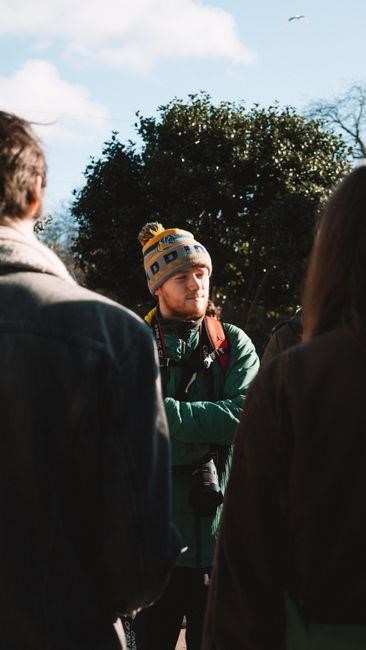
Plan routes, secure permits, and schedule transport. Use real‑time GPS tracking to avoid delays. Coordinate lodging and meals with local partners. Maintain a backup plan for weather or traffic. Communicate changes promptly via SMS or app to keep guests informed!!!
Coordinating Transportation and Accommodation
Start by mapping the itinerary and selecting transport hubs. Use a booking platform that syncs real‑time availability for buses, shuttles, and private vans. Negotiate fixed rates and secure seat guarantees to lock costs. For multi‑day tours, mix shared and private options to balance budget and comfort.
Choose lodging that matches the tour theme and group size. Partner with vetted hotels or homestays offering bulk‑rate discounts and flexible cancellation. Verify safety, parking, Wi‑Fi, and proximity to key sites. Offer tiered options—premium, mid‑range, budget—to meet diverse client needs.
Implement GPS tracking for vehicles and share live updates via a mobile app or SMS. Send pre‑arrival confirmation emails with check‑in times, local transport links, and emergency contacts. Keep guests informed to reduce anxiety. This approach ensures timely arrivals and enhances guest satisfaction!!
Prepare contingency plans for disruptions—weather, traffic, or mechanical issues. Keep a list of backup carriers and alternative routes. Secure refundable or flexible‑stay agreements to handle sudden changes. Audit partner performance regularly through guest feedback.
Streamline payments with a single invoicing system that consolidates transport, lodging, and ancillary services; Offer multiple payment methods—credit cards, mobile wallets, bank transfers—to accommodate international travelers. Align transport and accommodation logistics with clear communication to build trust and repeat business.
Marketing Your Tour Business
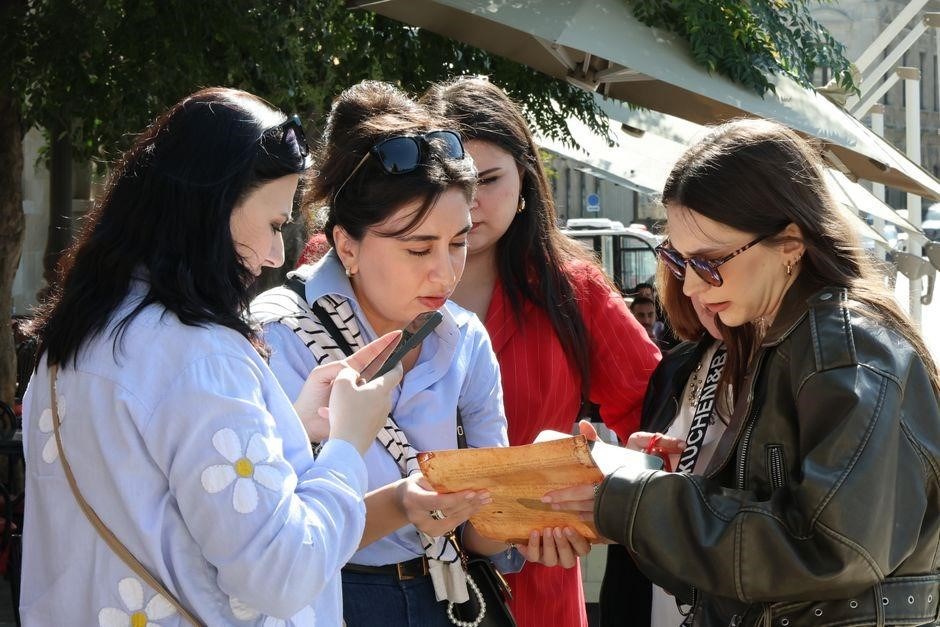
Leverage SEO‑optimized blogs, local partnerships, and targeted ads. Build a vibrant Instagram feed with behind‑the‑scenes stories and use Facebook events to boost bookings. Offer referral incentives gather reviews and maintain a responsive email list for repeat clients.
Building an Online Presence and Leveraging Social Media
Establishing a robust digital footprint begins with a professional website that showcases itineraries, pricing, and customer testimonials. Ensure it is mobile‑friendly, fast, and optimized for local search terms such as “historical walking tours in
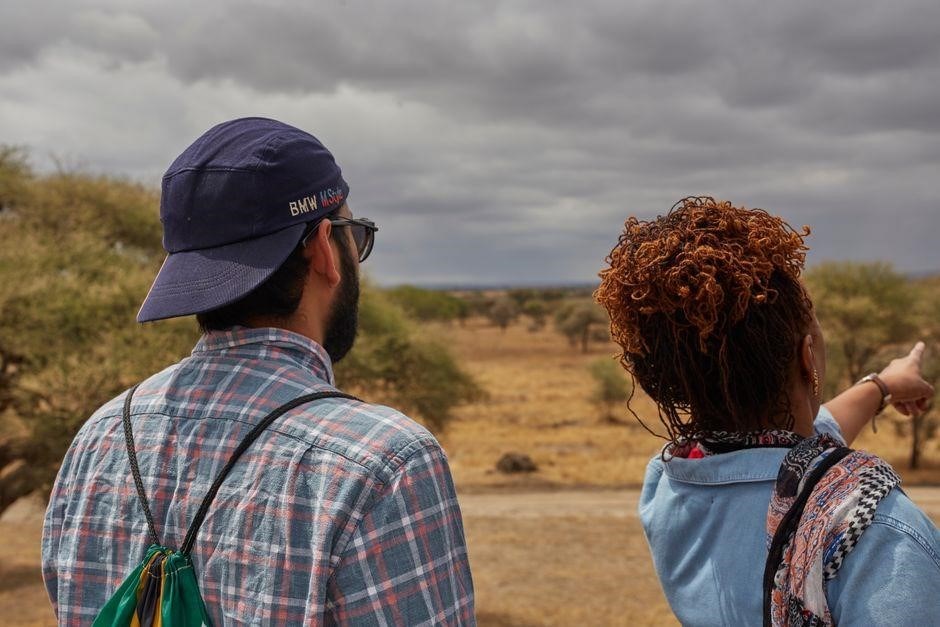
Social media platforms are the frontline for engagement. Instagram’s visual storytelling is ideal for sharing behind‑the‑scenes moments, while Facebook groups foster community discussions and user‑generated content. TikTok can highlight quick, captivating clips of tour highlights, tapping into younger demographics. Consistency matters: post at least three times weekly, using a content calendar that aligns with seasonal peaks and local events.
Leverage user‑generated content by encouraging guests to tag your brand and use a unique hashtag. Repost these stories to build social proof. Run targeted ad campaigns on Facebook and Instagram, segmenting audiences by interests, travel intent, and geographic location. Retarget visitors who viewed itineraries but did not book to increase conversion rates.
Collaborate with local influencers and travel bloggers for authentic reviews. Offer complimentary mini‑tours in exchange for honest coverage. Cross‑promote on LinkedIn to reach corporate clients seeking team‑building experiences. Maintain a responsive email list; send monthly newsletters featuring new routes, special offers, and travel tips.
Finally, monitor analytics across all channels. Track engagement rates, click‑throughs, and booking conversions. Use insights to refine messaging, adjust ad spend, and identify the most profitable customer segments. A data‑driven approach ensures your online presence grows sustainably while maximizing revenue. By integrating SEO, targeted ads, and authentic storytelling, you create a magnetic online presence that converts curiosity into bookings.
Pricing Strategies and Revenue Optimization
Set tiered rates for peak vs off‑peak, bundle tours with local experiences, and use dynamic pricing tools to adjust based on demand. Offer early‑bird discounts, loyalty credits, and upsell add‑ons like guided photography. Monitor conversion data, refine margins, and keep pricing transparent to build trust.!!
Competitive Pricing and Value‑Added Packages
Competitive pricing starts with a thorough market analysis. Collect data on local tour operators, noting price ranges, service inclusions, and customer reviews. Use this insight to position your offerings—price slightly below the median for entry‑level tours, and above for premium experiences that deliver unique value.
Bundling complementary services boosts perceived value and revenue. Combine a city sightseeing tour with a hands‑on workshop (e;g., pottery, cooking, or photography). Offer seasonal bundles—holiday specials, summer adventure packages, or off‑season discounts to capture different market segments.
Dynamic pricing tools help adjust rates in real time. Set base rates, then apply modifiers for early‑bird discounts, last‑minute surcharges, or high‑demand periods. Ensure transparency by displaying a detailed price breakdown: base fare, taxes, optional add‑ons, and final total.
Track performance metrics: conversion rate, average booking value, and customer satisfaction scores. Use this data to refine package components, adjust pricing, and identify which add‑ons resonate most with your audience. Regularly update your offerings to keep them fresh and aligned with evolving traveler preferences.
Introduce tiered pricing tiers—Basic, Premium, and VIP—each with distinct perks such as access, private guides, and complimentary meals. Clearly outline the added value to justify higher rates and attract diverse customer segments!!!
Legal Compliance and Licensing Requirements
Secure local permits, register your business, and obtain a tour guide license from the state tourism board. Verify insurance coverage meets minimum liability limits. Keep records of all certifications and renewals. Comply with ADA accessibility standards and safety regulations for group tours.All covered!!!
Securing Necessary Permits and Insurance Coverage
Obtaining the right permits and insurance is a cornerstone of a trustworthy tour operation. First, check your state’s tourism board for a specific tour guide license; many jurisdictions require a written exam and a background check. Next, secure a business license from the local municipality, ensuring compliance with zoning laws that may restrict group sizes or pick‑up points. For larger groups, a special event permit can be necessary.
Insurance coverage should include general liability, which protects against bodily injury or property damage claims, and professional liability for errors or omissions. Many tour operators also add a cancellation policy that covers weather‑related disruptions; Verify that your policy meets the minimum limits mandated by state law—often $1 million per incident.
Keep all documentation—licenses, permits, insurance certificates—on hand during every tour. Many cities now require a digital copy to be uploaded to a state portal before each trip. Failure to present valid paperwork can result in fines or suspension of your license.
Finally, stay updated on regulatory changes. Subscribe to newsletters from the National Association of Tour Operators and local tourism councils; they provide alerts on new legislation or required updates to insurance coverage. By maintaining a proactive compliance strategy, you protect both your business and your guests, fostering trust and repeat bookings.
- Verify the validity of all permits before each tour.
- Maintain a digital backup of insurance certificates.
- Schedule annual reviews of liability limits.
- Notify guests of coverage in the itinerary.
- Report any incidents to the insurance provider immediately.
In addition, consider a dedicated travel insurance policy for your staff, covering medical emergencies abroad and trip cancellations. Some insurers offer bundled packages that reduce premiums when combined with general liability. Evaluate the cost‑benefit ratio annually, and adjust coverage as your tour volume grows.
Keep a compliance checklist in a shared cloud folder for quick reference.
Enhancing Customer Experience and Reputation
Personalize itineraries, greet guests warmly, and share local stories. Offer real‑time updates via a mobile app, collect instant feedback with QR surveys, and respond promptly to reviews. Showcase testimonials, partner with artisans for unique souvenirs, and build lasting trust and enhance guest loyalty!
Managing Feedback and Building Repeat Business
Collect guest feedback immediately after each tour with a mobile‑friendly survey. Use Likert scales and open prompts to capture satisfaction and insights. Review responses weekly, flag recurring themes, and adjust itineraries accordingly. This real‑time feedback loop ensures that each tour evolves to meet guest expectations.
Respond to every review within 24 hours. Praise strengthens loyalty; addressing concerns shows professionalism. Public replies on TripAdvisor, Google, and social media build transparency for future travelers. Engaging with reviewers demonstrates that you value their experience.
Reward satisfied guests with a referral discount or complimentary add‑on for each new booking they bring. Track referrals with unique codes to attribute conversions accurately. Celebrate milestones publicly to showcase community trust. Provide a small token, like a local craft, to make the referral incentive memorable.
Introduce a loyalty tier: after three tours, offer a 10% discount; after five, a free local experience. Communicate tier status via personalized emails and a mobile badge. This gamified approach encourages repeat visits and deepens connection. Track progress in a dashboard so guests can see their status at a glance.
Maintain a dynamic FAQ and resource hub on your website, updated monthly with itineraries, local news, and travel tips. Invite past guests to contribute stories or photos, fostering belonging and continuous engagement. Encourage guests to tag your tour in their posts, amplifying word‑of‑mouth reach.